Peaceful Nature Spots for Forest Recharging
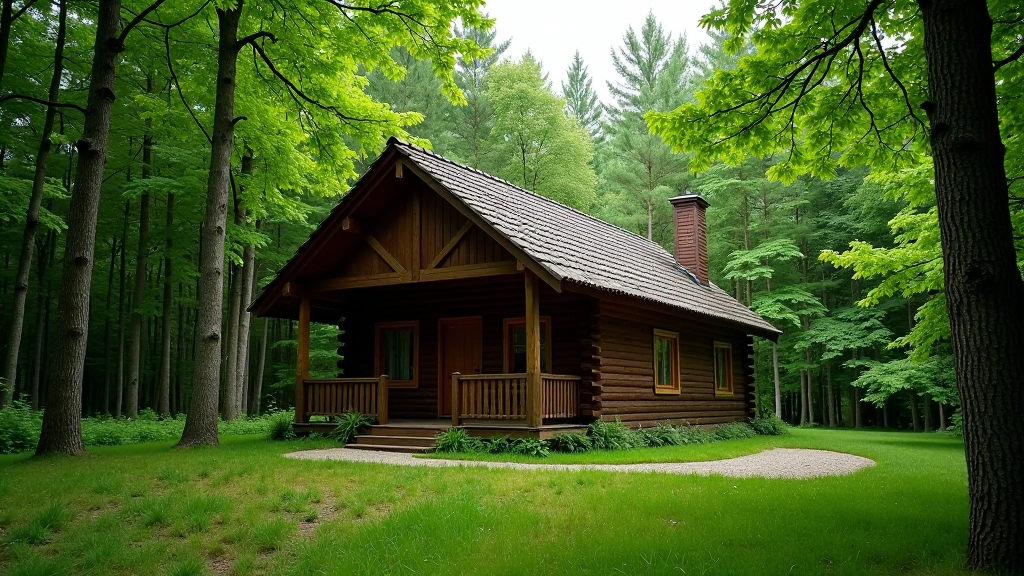
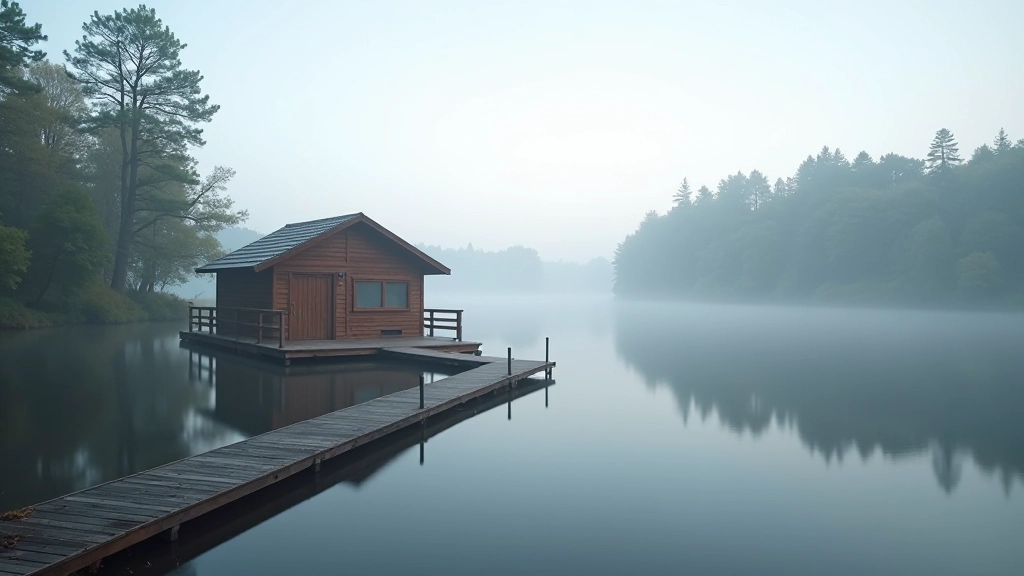
Discover Lithuania's most tranquil forest areas for walking meditation, nature bathing, and mental restoration. We've explored hidden trails, seasonal insights, and practical guidance for a truly restorative forest experience.

Why Forest Therapy Works
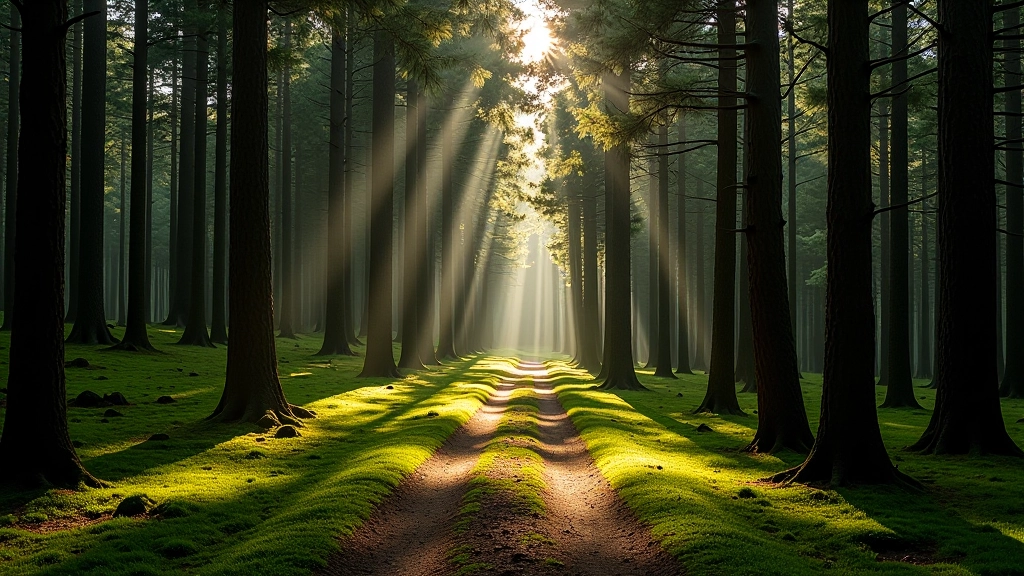
There's something profound about stepping into a dense forest. The air shifts, the sounds change, and your nervous system actually responds. It's not just about feeling calm — there's real neurological benefit happening. When you're surrounded by trees, your cortisol levels drop, your heart rate steadies, and something in your brain quiets down.
Lithuania's forests cover about 34% of the country, which means you've got serious woodland to explore. We're talking about places where you can walk for hours and see maybe one other person. That's not common in Europe anymore. What we've found through visiting these spots repeatedly is that the best forest recharge happens when you know where to go and what to expect.
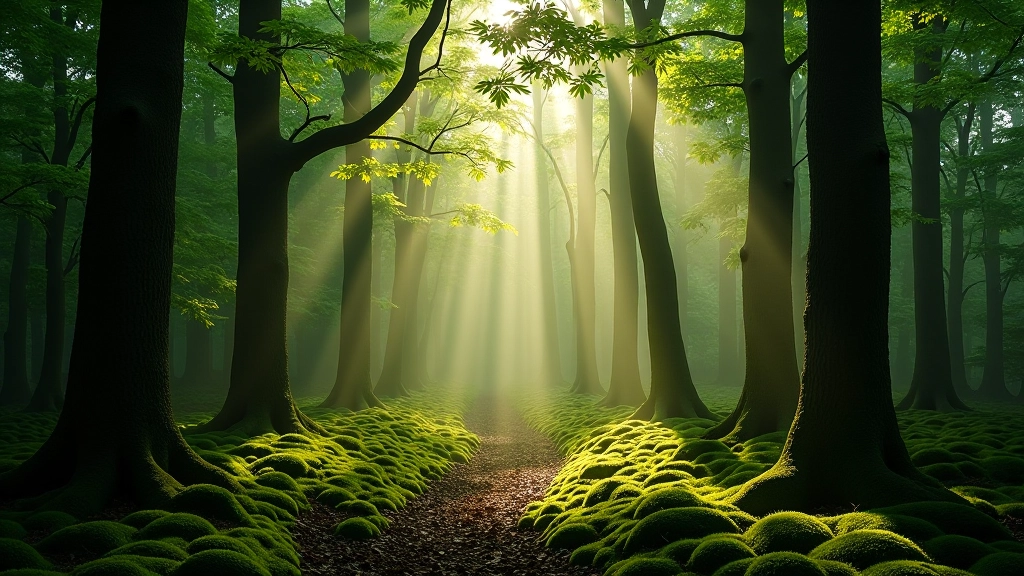
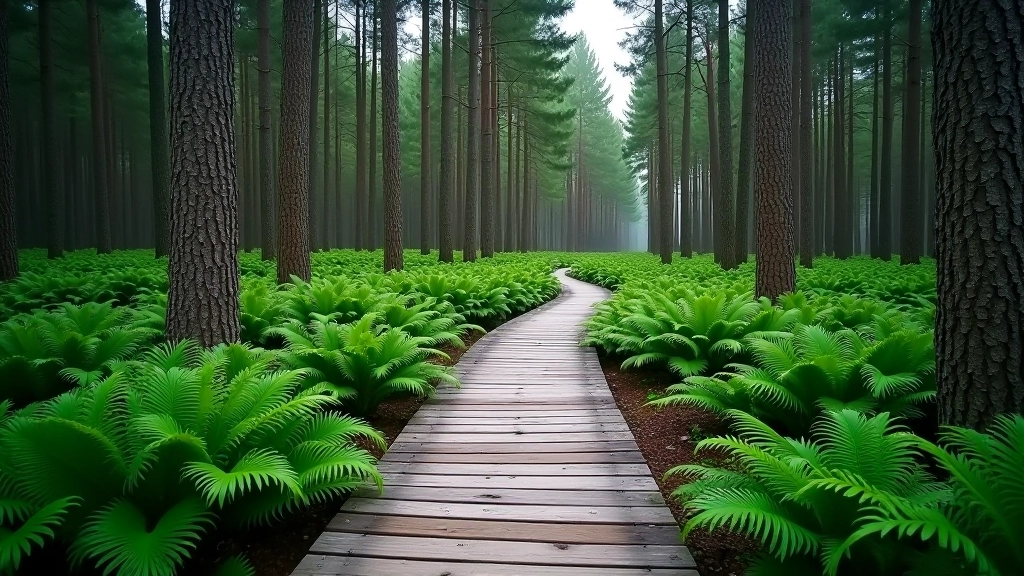
Best Trails for Walking Meditation
Walking meditation isn't about fitness or covering distance. It's about rhythm and presence. The trails we'd recommend for this aren't the popular ones — they're quieter, less maintained, which actually makes them better.
- Žaltys Trail (Kernave) — 6km loop through mixed forest. Takes about 90 minutes at a slow pace. The path crosses several small streams, and there's this section where the forest opens into a clearing with archaeological mounds visible. Perfect for breaking rhythm intentionally.
- Merkys River Valley — Longer trails (10-15km) but you can do shorter sections. The river runs alongside, which creates natural meditation anchors. Most people miss this entirely because it's not marked as a tourist destination.
- Labanoras Regional Park — Smaller walks (3-5km) through old spruce and pine. Very accessible, but go on weekdays. Weekends get busier with families.
The thing about walking meditation is that your mind will wander. That's not failure — it's the point. You notice it's wandering, you bring attention back to your steps, your breathing, the sounds around you. After 45 minutes, most people hit a shift where their thinking genuinely quiets down.
Information Notice: This article provides educational information about forest destinations and wellness practices in Lithuania. Trail conditions, accessibility, and seasonal factors change regularly. Always check current conditions with local tourism offices before visiting, bring appropriate gear, and consider consulting healthcare providers about any new wellness practices, especially if you have existing health conditions.
Seasonal Timing & What to Expect
Spring and autumn are genuinely the best times. Not because summer isn't beautiful — it is — but because insects are less intense and the light is different. In spring (April-May), the forest floor blooms with wildflowers and the canopy's still opening up, so you get filtered light that's almost meditative just to experience.
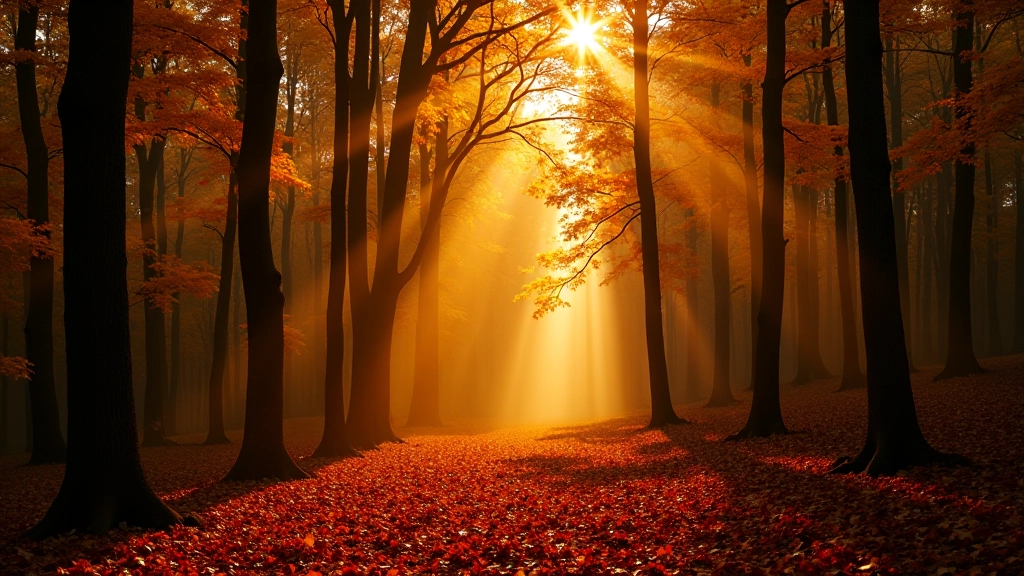
Autumn (September-October) is when the forest actually transforms. The air becomes crisp, sounds carry differently, and the light turns golden. You'll notice more of everything — more birdsong, more rustling, more sense of the forest as a living system preparing for dormancy.
Winter's possible but requires different expectations. Trails get muddy quickly, daylight's limited (sunrise around 8am, sunset by 4pm), and the silence is genuinely profound. If you go, bring proper waterproof gear and start early. Summer works too, but you're dealing with mosquitoes, heat, and more people on trails. Early morning helps with all three.
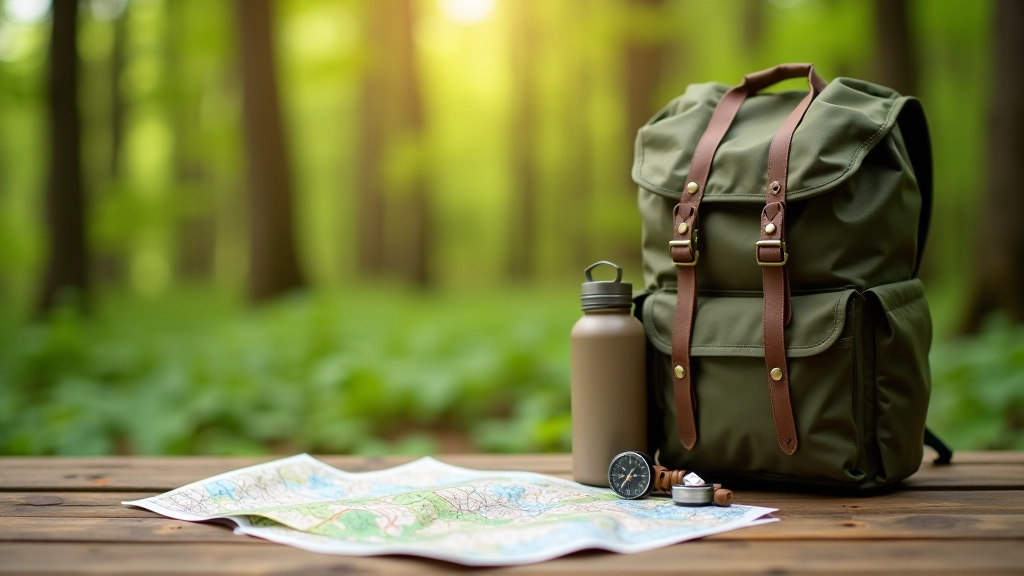
What to Actually Bring
This is where most people overthink it. You don't need special forest-bathing equipment or expensive hiking gear. What you need is practical and honestly quite minimal.
Forest Recharge Essentials
Water: More than you think you'll need. A liter minimum, even for 2-hour walks. Your body needs it even if you're not sweating.
Layers: Lithuanian weather changes. Start with something you can remove. Fleece or lightweight wool works better than cotton.
Decent shoes: Not hiking boots necessarily, but something with grip. Wet leaves are genuinely slippery.
Insect repellent: Spring through autumn, especially if you're staying in one area. The local bugs aren't dangerous but they're persistent.
Something for your phone: Waterproof case or bag. Not because you're checking messages (you're not), but for maps and emergency contact.
That's genuinely it. Leave the noise-cancelling headphones at home. The whole point is to actually hear the forest.
Making the Most of Your Time
Real forest recharge takes time. Not in a rigid sense, but neurologically. Your stress response doesn't shift in 20 minutes. Plan for at least 90 minutes, ideally two hours or more. The first 30-45 minutes, your mind's still processing the transition. You're thinking about work, checking the time mentally, noticing discomforts. This is normal.
Around the 45-minute mark, something shifts. Your breathing naturally deepens. You start noticing details you missed before — specific bird calls, the texture of bark, how light moves through leaves. Your sense of time becomes less sharp. This is the restorative window.
If you're able to stay longer, even better. There's research suggesting that three hours in nature produces measurable changes in stress hormones. But even two hours gives you real benefit. The key is consistency. One intensive forest day helps. Regular visits compound the effect.
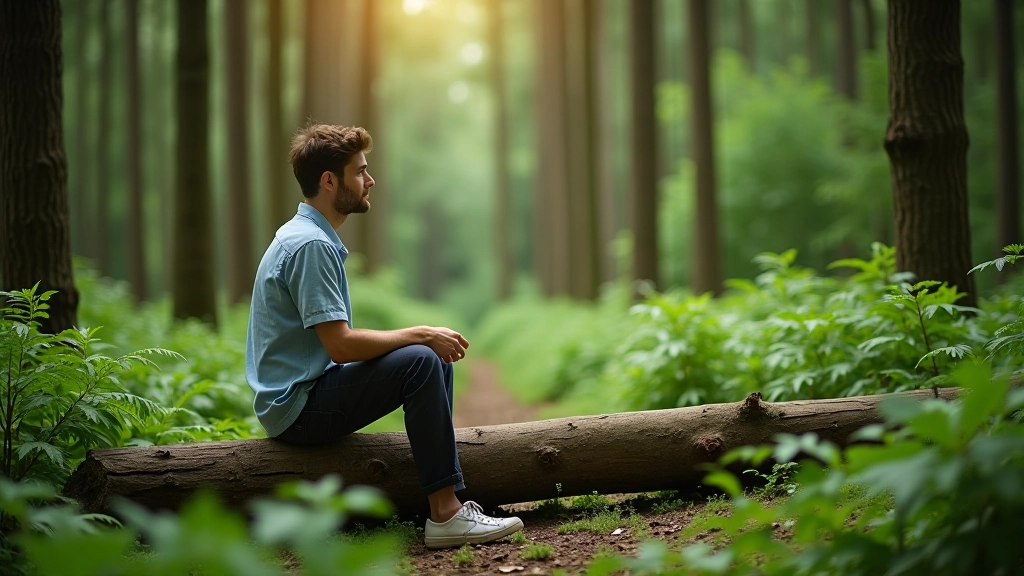
Starting Your Forest Recharge Practice
Forest recharging isn't complicated or exclusive. It doesn't require special knowledge or expensive trips. What it requires is time and showing up. Lithuania's got the forests. You've got access to something most people in Europe have to travel hours to find.
Pick a trail that feels manageable. Bring water and something to wear. Go when you can. Notice what happens after 45 minutes. Come back when you can, in different seasons. That's the entire practice.
The forests aren't going anywhere, but the mental space they create? That shifts almost immediately. And that's what you're really recharging.
Explore More Relaxation Destinations
Discover other ways to recharge and restore in Lithuania's most peaceful settings.
View All Relaxation GuidesMore Relaxation & Getaway Resources