Complete Guide to Druskininkai Spa Weekends
Everything you need to know about Lithuania's premier spa destination — thermal waters, wellness centers, treatment options, and where to stay. We've covered what makes Druskininkai special and how to plan a proper wellness retreat.

Why Druskininkai Matters
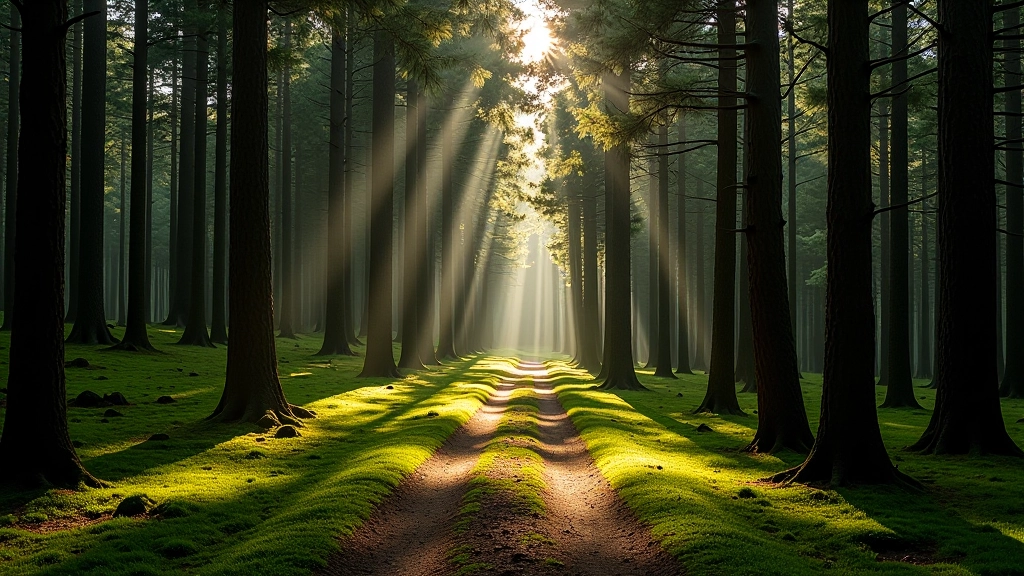
Druskininkai isn't just another spa town. It's a place where natural mineral waters have been drawing people for over 150 years. The combination of thermal springs, dense pine forests, and serious wellness infrastructure makes it different from typical European spa destinations.
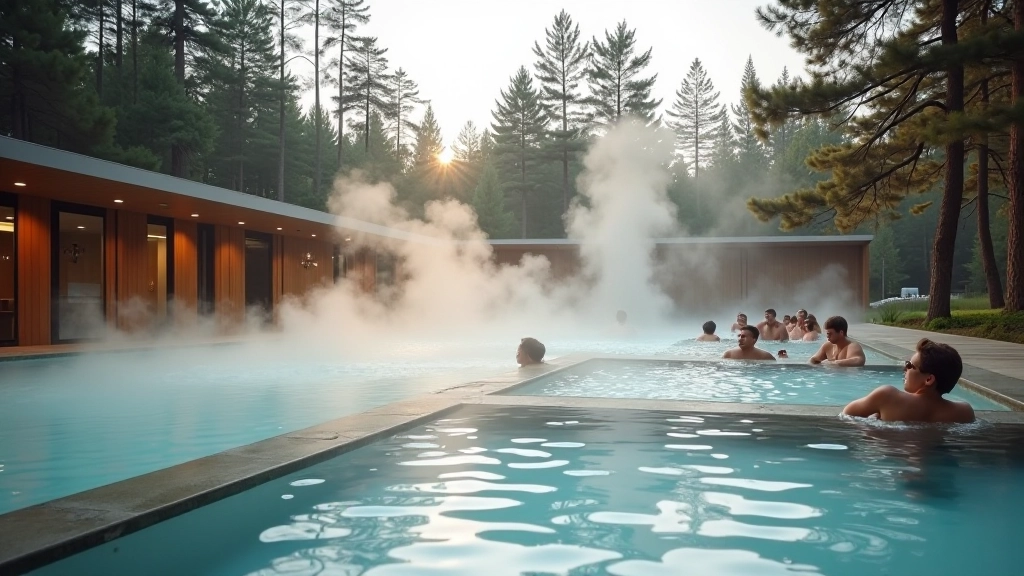
What sets it apart? The water itself. Underground mineral springs deliver naturally warm water rich in salts and minerals — you're not soaking in heated pools, you're immersed in therapeutic thermal baths. Add proper spa treatments, wellness programs, and some genuinely peaceful forest surroundings, and you've got something worth planning a weekend around.
The Thermal Waters & What They Do
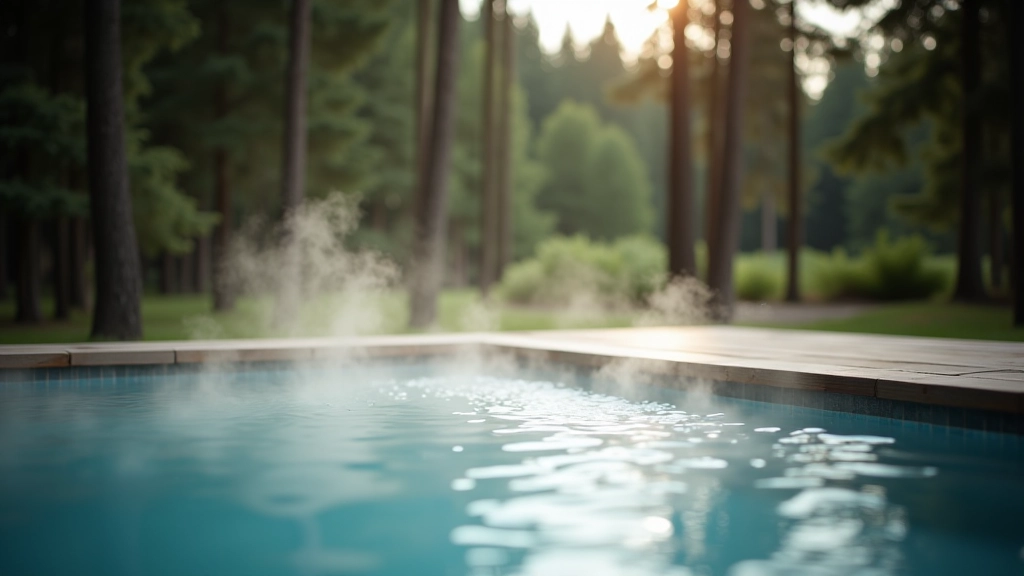
The star of Druskininkai is the water itself. Drilled from 300 meters below the surface, it arrives naturally heated to around 35-40°C. It's rich in mineral content — sodium, potassium, magnesium — that you can literally taste and feel.
Most visitors notice the difference within their first soak. Your skin feels different. Muscles relax deeper than they do in regular pools. It's not placebo — the mineral composition actually supports recovery. People with joint issues, arthritis, or just chronic tension often see real improvements over a few days of regular bathing.
You'll find three main thermal complexes in town. Druskininkai SPA is the largest — it's got multiple pools at different temperatures, saunas, and a full treatment center. Vilnius SPA Resort focuses more on luxury treatments. Giraffe SPA skews younger, more casual. All use the same water source, but the experience varies depending on vibe and crowd.
Disclaimer: This guide is informational and educational. While thermal waters have been used traditionally for wellness for centuries, individual results vary. If you have medical conditions, are pregnant, or take medications, consult your doctor before thermal bathing. Water temperature and mineral content can affect people differently — always check with spa staff about your specific health situation.
Treatment Options & What To Expect
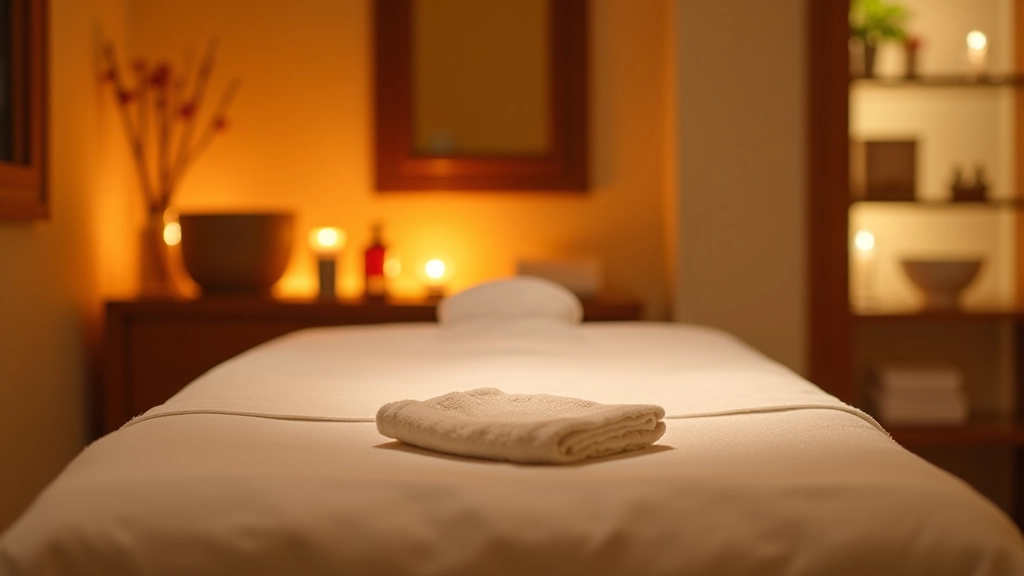
Beyond soaking, there's a whole menu of treatments. Most spas offer massage (Swedish, deep tissue, therapeutic), mud wraps using mineral-rich peat from nearby sources, herbal treatments, and specialized therapies targeting specific issues like back pain or circulation.
A typical treatment runs 50-90 minutes. The massage therapists aren't just relaxation-focused — many are trained in therapeutic technique. If you've got a specific issue (tight shoulders, sore lower back), mention it. They'll adapt the treatment.
Mud wraps are popular. You get slathered in warm mineral mud, wrapped in heated blankets for 20 minutes, then rinsed off in the thermal pools. Sounds odd. It's actually quite effective — your skin absorbs minerals, and the heat loosens tension.
Where To Stay & Planning Your Weekend
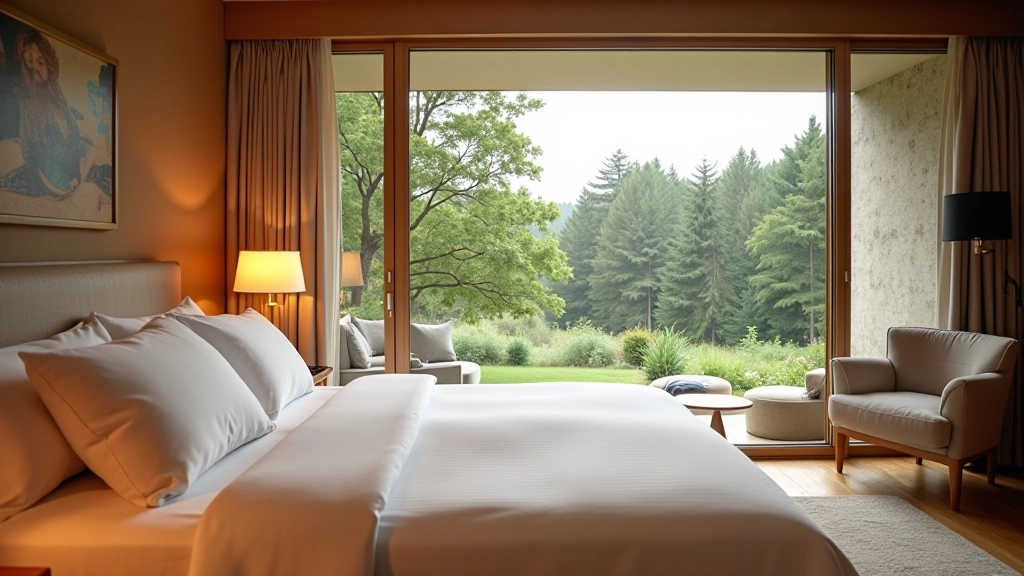
Most spa hotels are within walking distance of the thermal complexes. High-end options like Vilnius SPA Resort offer spa packages bundled with rooms. Mid-range hotels provide good value. Budget options exist too — you don't need to stay in a luxury resort to access the thermal waters.
A proper weekend is Friday evening through Sunday. That gives you two full days of thermal bathing and treatments. Day one, you arrive, check in, and do an evening soak — just get comfortable with the water. Day two, do a longer soak in the morning, book a treatment in the afternoon, evening soak again. Day three, morning swim, then head home.
Bring a book. Most people underestimate how much time they'll actually spend in and around water. Between soaks, you'll be relaxing. There's a town with cafes, shops, and walking trails through the forest — but honestly, the appeal is slow time, not activities.
Practical Tips For Your Visit
Timing Matters
Spring and fall are ideal — warm enough for outdoor pools, not crowded like summer. Winter works if you're into the contrast of cold air and hot water.
Book Ahead
Spa treatments fill up, especially weekends. Reserve your massage or mud wrap when you book your hotel, not when you arrive.
Start Slow
Don't do three 2-hour soaks on day one. Your body needs time to adjust. Start with 30-45 minutes, then increase over the weekend.
Hydrate Constantly
Thermal water dehydrates you more than regular pools. Drink water throughout the day, not just during soaks.
Pack Essentials
Bring good sunscreen, a hat, moisturizer, and any personal care items you prefer. Spas provide basics, but your own products often feel better.
Expect Quiet
Most spas enforce quiet zones. There's no loud music or rowdy crowds. If you want vibrant nightlife, this isn't the destination.
The Real Value of a Spa Weekend
Druskininkai works because it's not pretentious. You're not there to perform wellness — you're there to actually experience it. The thermal water does the heavy lifting. The treatments help. But mostly, you're just spending time in warm, mineral-rich water while surrounded by quiet forests.
Is it transformative? Not like a life-changing trip. But after a proper weekend, most people notice they sleep better, move easier, and feel less tense. That's worth the trip alone. Plus, you'll actually enjoy the process — no suffering through uncomfortable experiences. It's just warmth, quiet time, and letting your body recover.
Whether you're dealing with physical tension, just need a break, or want to try thermal bathing for the first time, Druskininkai delivers. Plan it right, book it early, and go in with realistic expectations. You'll get exactly what you came for.
Discover More Getaway Experiences